|
Skin tears under the spotlight this Wound Awareness Week
Wednesday, 30 September 2026
|
|
At a roundtable on Tuesday 29 September in Melbourne to mark Wound Awareness Week, Wounds Australia brought together more than 20 expert clinicians, researchers, patients and carers to discuss the country's skin tears problem – and explore solutions to common challenges. The event was hosted by Wound Awareness Week Ambassador Professor Fiona Wood – renowned burns surgeon and former Australian of the Year – with guest of honour Senator Kerrynne Liddle, Shadow Assistant Minister for Health and Aged Care and Senator for South Australia. (Both pictured above with Wounds Australia CEO Jeff Antcliff.) Senator Liddle shared her own experiences of growing up in the harsh sun of Central Australia, her family instilling in her the importance of skin protection. Protection for preventionPrevention measures took centre stage, with twice-daily moisturisation and patient education recurring themes from participants in the wide-ranging conversation. Geriatrician Dr Katy Melrose advocated for getting preventive skin care mandated at a national level, saying she actively prescribes moisturisation alongside medication and other factors in the management plan but nurses are limited by time constraints in enacting the care. Carer-advocate Isabella Fitzgibbon agreed, saying she would have found it helpful to have thought of moisturisation as part of her grandmother Shirley's treatment, rather than an optional extra on top of her wound treatment regime. WA-based Pharmacist Lusi Sheehan of Pharmacy 777 – one of four presenters of new online training for consumers being launched during Wound Awareness Week, the Be Wound Aware Education Series – said 50% of the wounds she sees instore are skin tears, but delayed presentation means treatment is harder and takes longer than if the patient had received timely treatment. Wound CNC and Director at Victoria's Precision Wound Services Jaymie Wade emphasised the need to make evidence-based advice on acute wound care and when and where to seek advice simple enough for time-pressured patients with limited medical knowledge to understand. 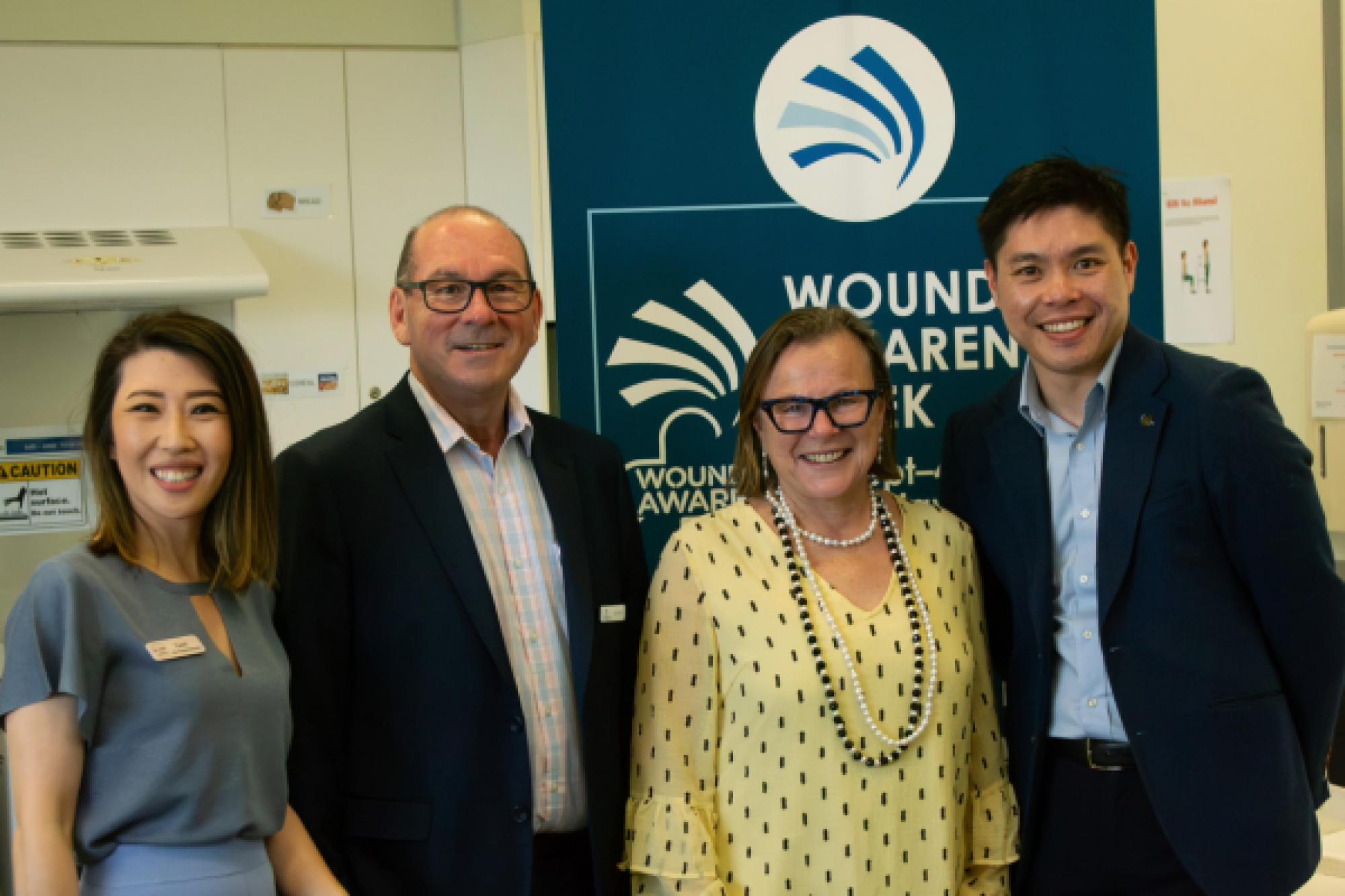
Lusi Sheehan, Jeff Antcliff, Fiona Wood, Jerry Yik (Pharmacy Guild) 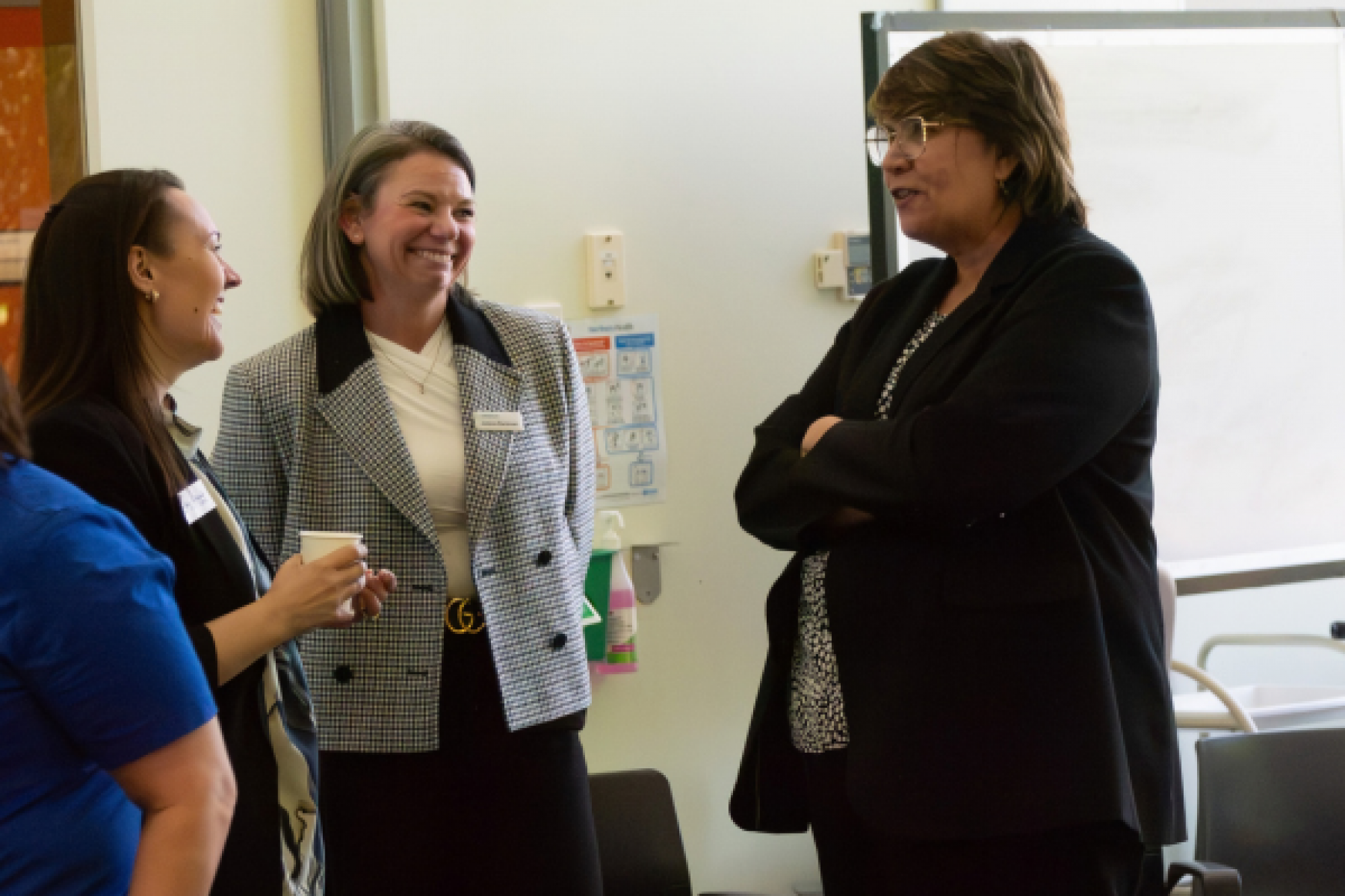
Hayley Ryan, Jessica Blackman (Solventum), Senator Kerrynne Liddle 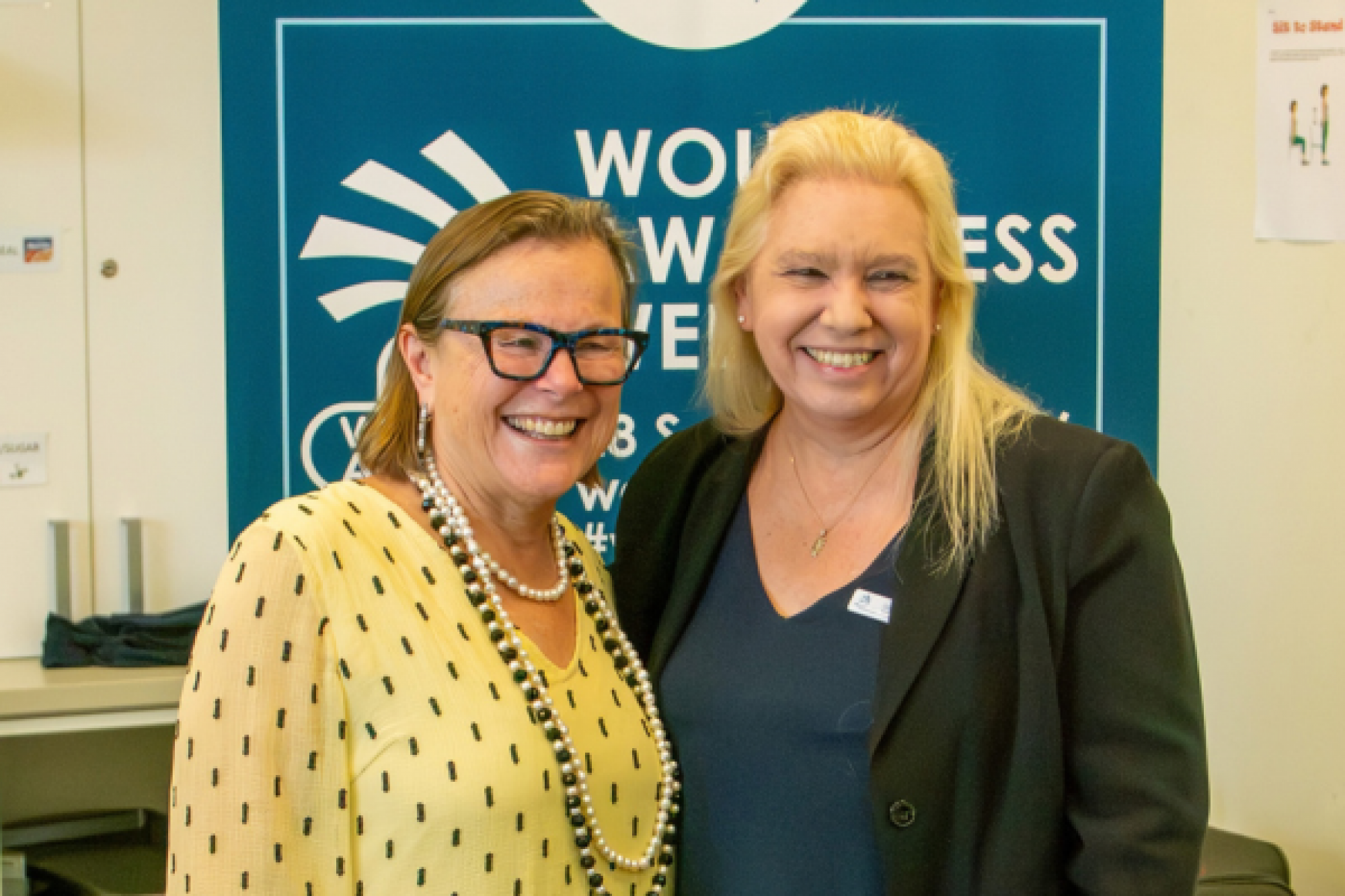
Fiona Wood, Christina Parker 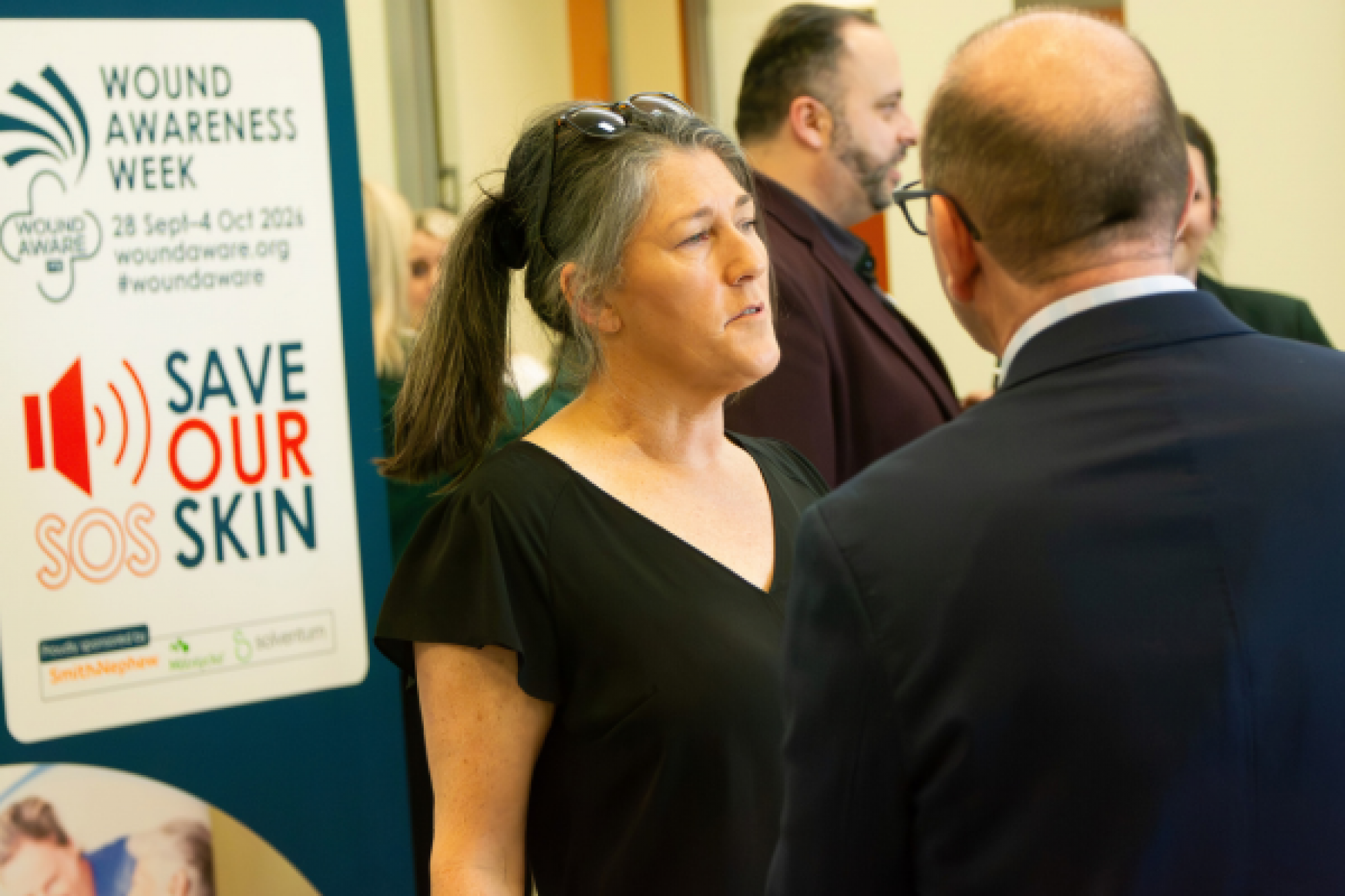
Suzanne Kapp 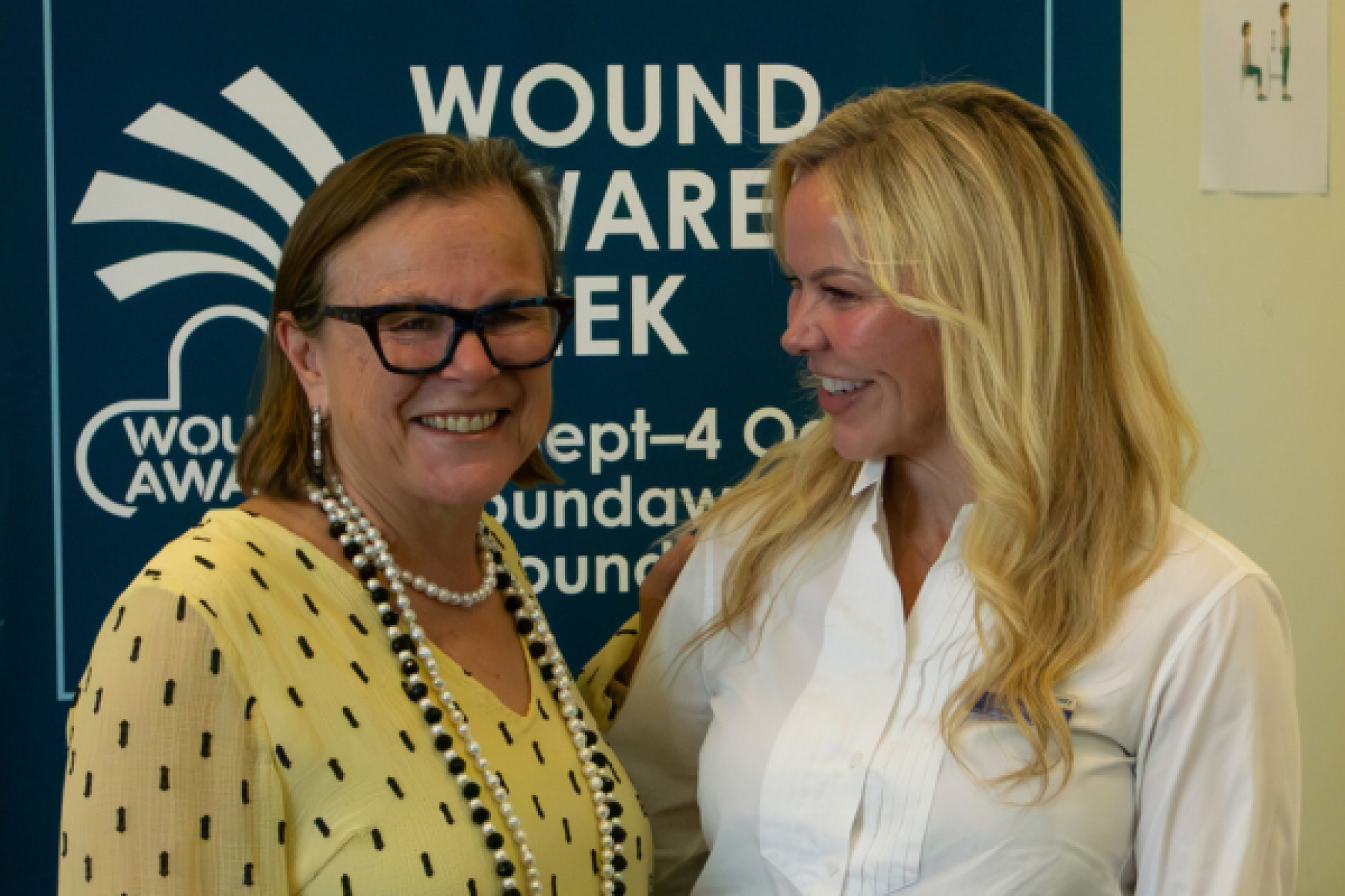
Fiona Wood, Lynne Barker (Essity) 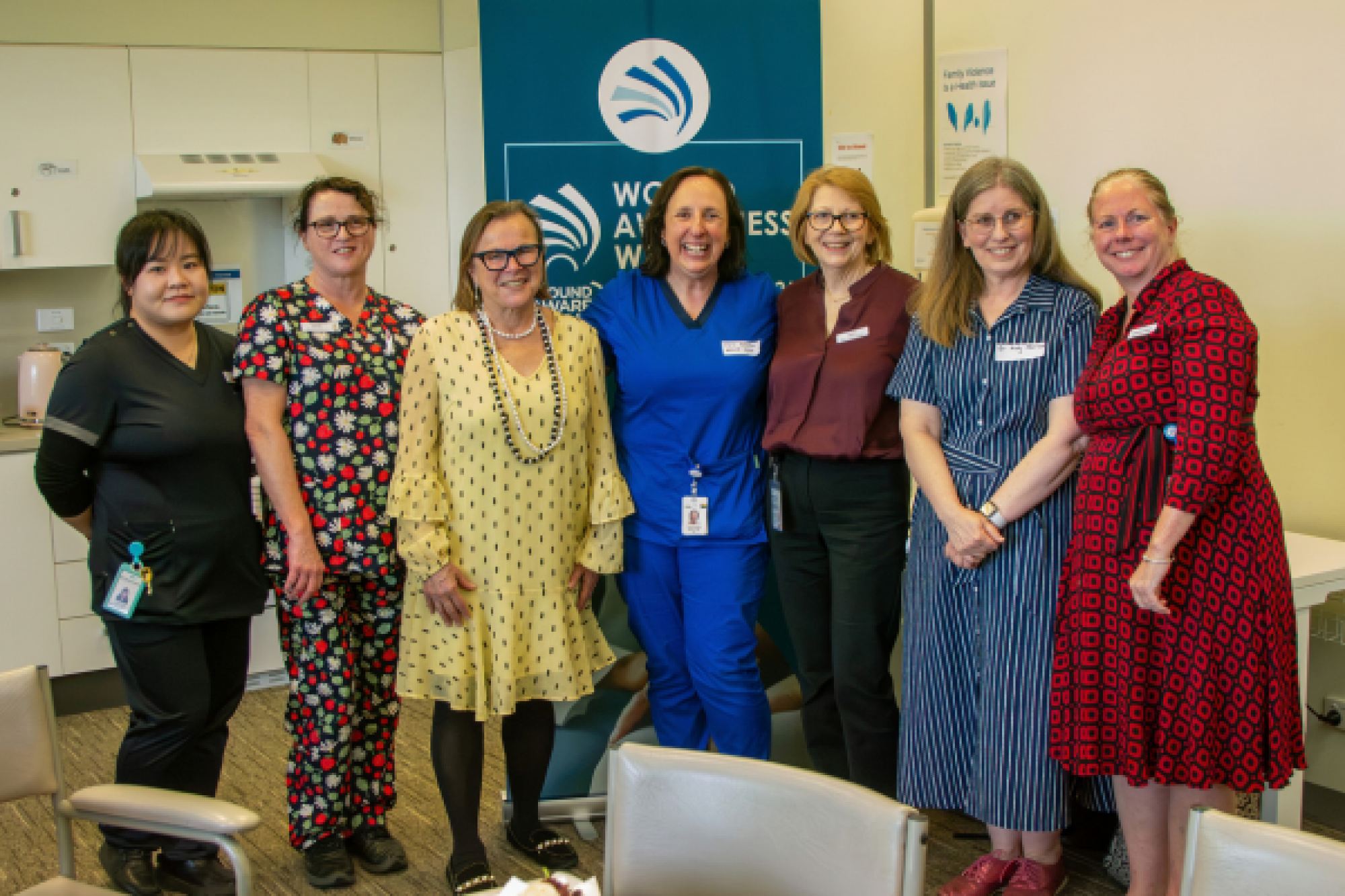
Fiona Wood with Northern Health clinicians and leadership team L-R: Clara Walker (centre), Sue Hull, Katy Melrose, Johanna Hayes 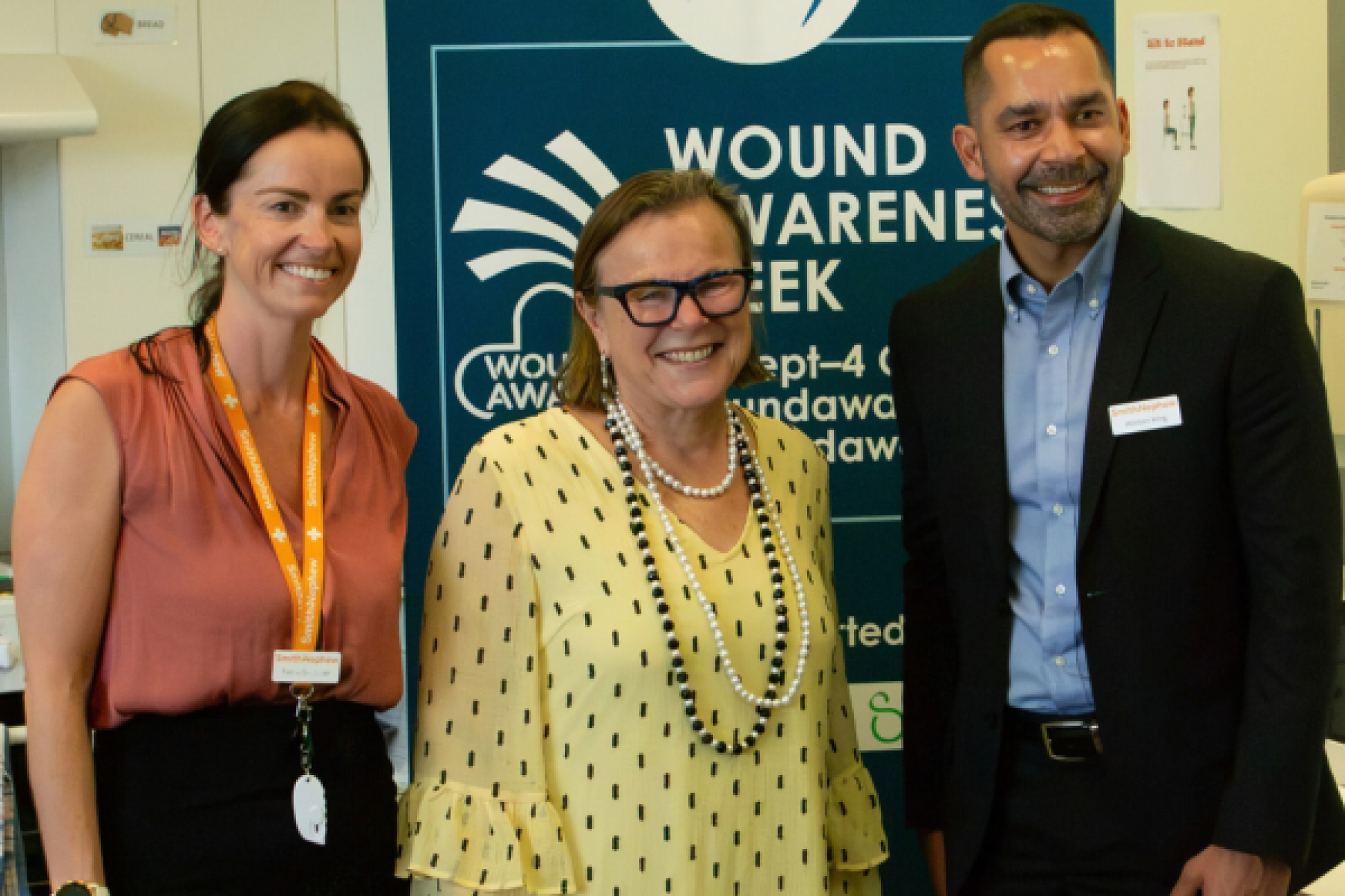
Fiona Gardiner and Alastair King (Smith+Nephew) with Fiona Wood 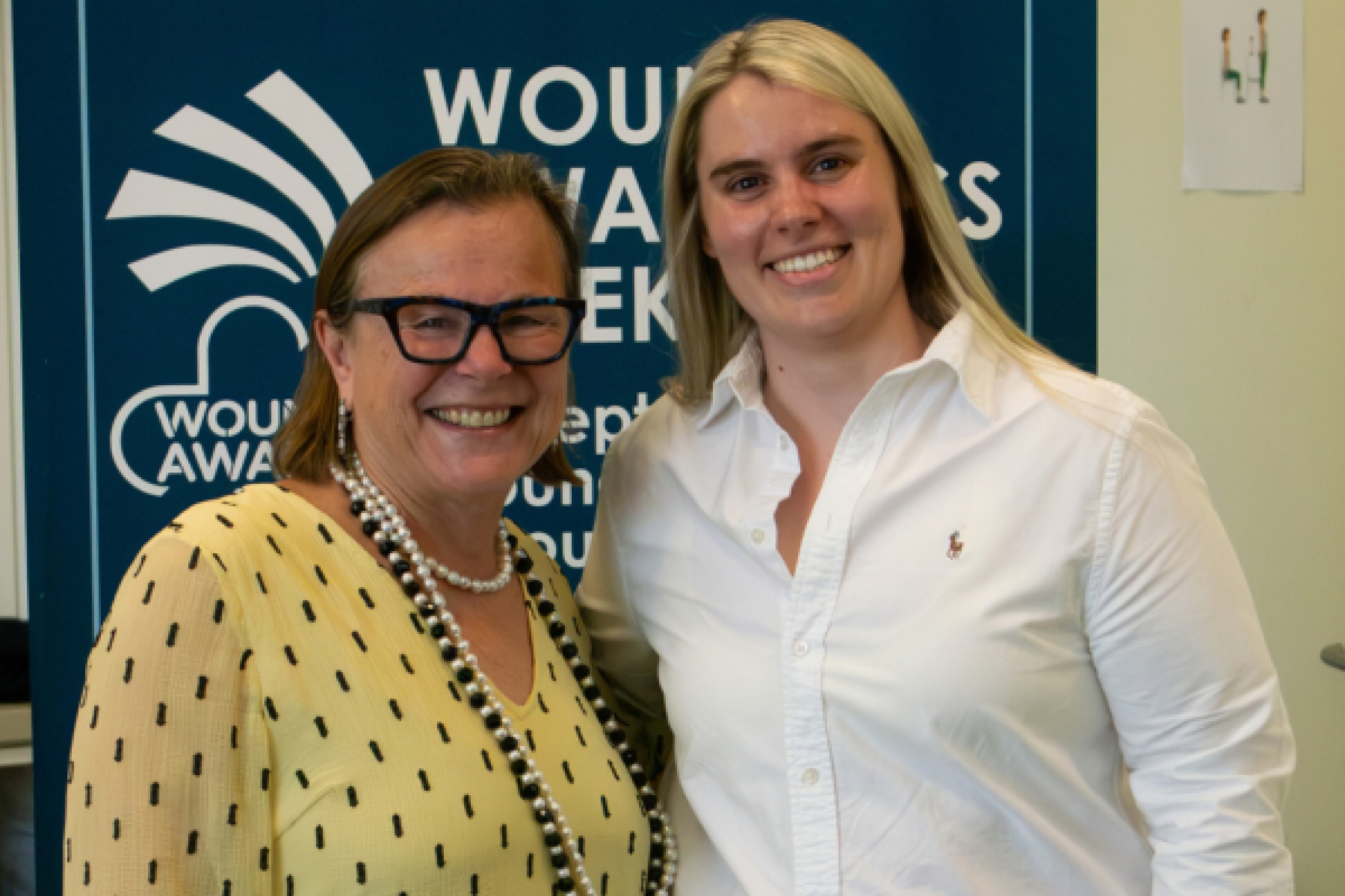
Fiona Wood, Isabella Fitzgibbon 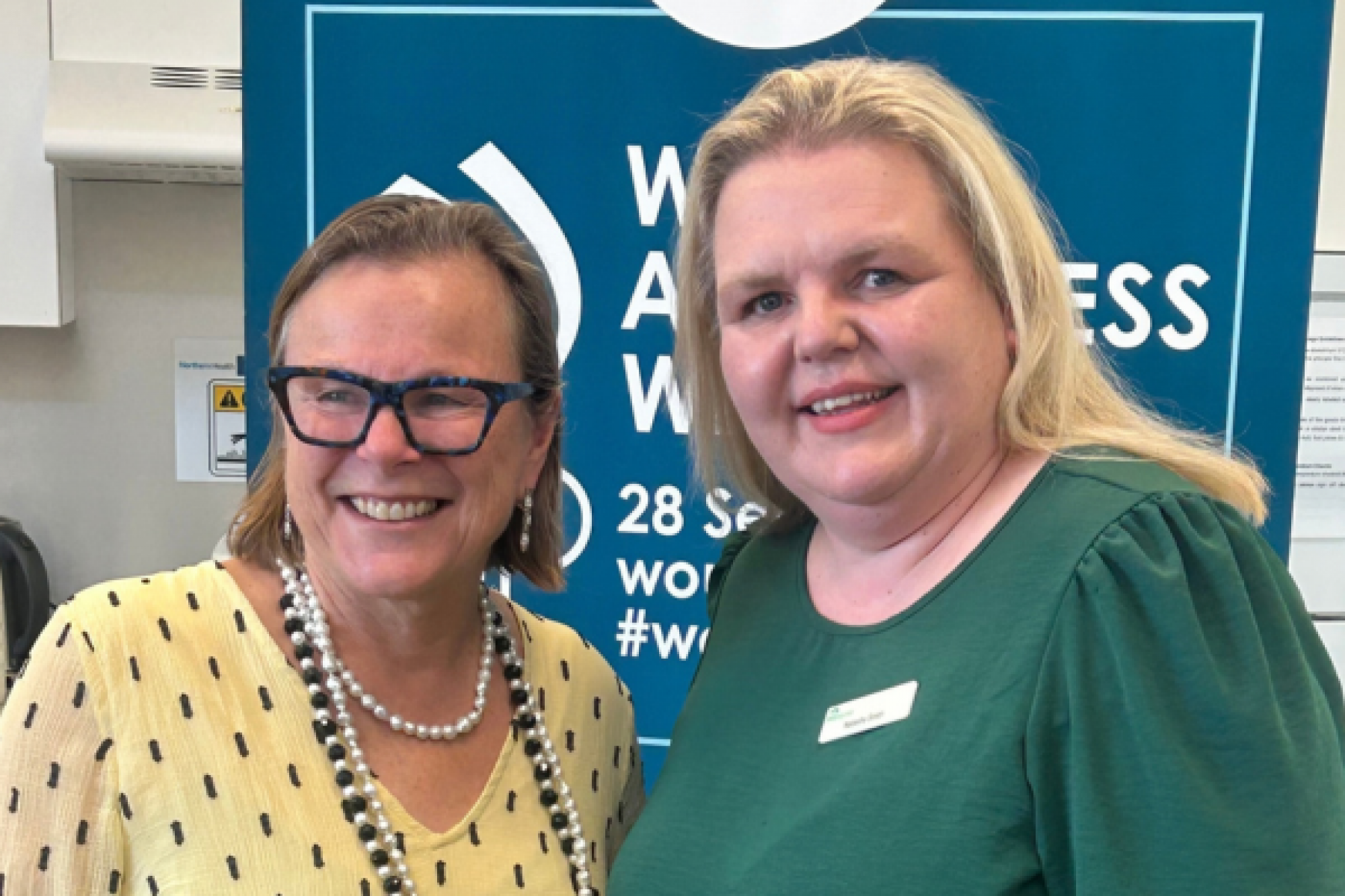
Fiona Wood, Natasha Smith (Mölnlycke) Improving the nation's health literacyNicole Flannery, a Nurse Practitioner in Wound Management and Chair of Wounds Australia's NSW Committee said improving health literacy was an important aspect of her work with patients in the NSW health system. Be Wound Aware Education Series training presenter Melissa Freeman of the Port Macquarie Wound Care Clinic and Chair of the Wounds Australia Clinical Expert Advisory Panel said her practice had success with teaching patients very simple skin protection actions that can be embedded into daily routines, such as moisturising immediately after showering and 'barring the bar soap' in favour of pH neutral soaps. Ms Flannery agreed, adding that daily showering was not necessary for older people – and, thanks to hot water and rough towels, could actually be damaging the skin. Clara Walker, a Wound CNC at Northern Health's Bundoora Centre and a Wounds Australia member says nurses in the area's residential aged care facilities did excellent work treating small wounds but referred more serious cases – predominantly advanced chronic wounds from skin tears that had broken down – to her clinic. A recent 94-year-old patient with skin tears on every limb demonstrated how easily ageing skin could break down and how important fundamental skin care was to protecting it; the sun-loving patient, a long-term prednisolone user, had been moisturising daily with a barrier cream that failed to penetrate the skin, but has now begun to heal with evidence-based skin protection measures in place. The topic of sun protection was of special interest to Wounds Australia Board Director Dr Robyn Rayner, whose PhD research demonstrated the serious impact of sun exposure on skin integrity. Skin tears are everybody's problemHayley Ryan – Director of WoundRescue, Be Wound Aware Education presenter and former Wounds Australia Board Chair – works with chronic wound patients around the country and made the point that skin tears are not just a problem for older Australians; many others with chronic conditions such as mobility issues were impacted by wounds. She underscored the need to empower the nation's peak body, Wounds Australia, to describe best practice and embed consistent care advice into the nation's basic first aid response. Professor Wood opened the floor to a general discussion by asking, if education on the basics of skin care was key to preventing wounds, how soon was too soon to begin that education? "Should the fundaments of skin protection be embedded into the school curriculum alongside basic first aid?" Professor Wood asked. Dr Rayner suggested education could begin with new parents, emphasising the need to protect skin from the first and as it develops. Lynne Barker, Brand Manager Acute Wound Care ANZ at Essity, offered this fundamental perspective shift: "I grew up thinking 'my skin protects me', but perhaps we need to turn the tables and start thinking 'I need to protect my skin'." Counting the costCarol Campbell, Wound Nurse at three sites in the Northern Health network, underscored an important factor in chronic wound care: dressing accessibility and affordability, taking into account cost and conformance considerations. Despite the varied experiences of those present, a consistent theme became clear: prevention and early detection are crucial to minimising skin tear incidences, and education is key to prevention and detection. Thank you to all those who attended. A special thank you to Senator Liddle, Professor Wood, Northern Health CEO Adj. Professor Debra Bourne, to Wound Awareness Week partners Solventum, Smith+Nephew and Mölnlycke for their invaluable support, and to all the participants and observers who attended this special Wound Awareness Week event. |