|
Lunch Bytes: Self-care doesn't mean without care
Thursday, 20 August 2026
|
|
What does good patient self-care look like – and how can clinicians empower people to participate in their wound care without leaving them to manage alone? Join Clinical Nurse Specialist Melissa Freeman at midday AEST on Wednesday 30 September to find out. Registrations open on 31 August. Here's what you can expect to learn in this very special session, sponsored by our friends at Smith+Nephew – official Wound Awareness Week partners. Bite-sized learning while you lunch
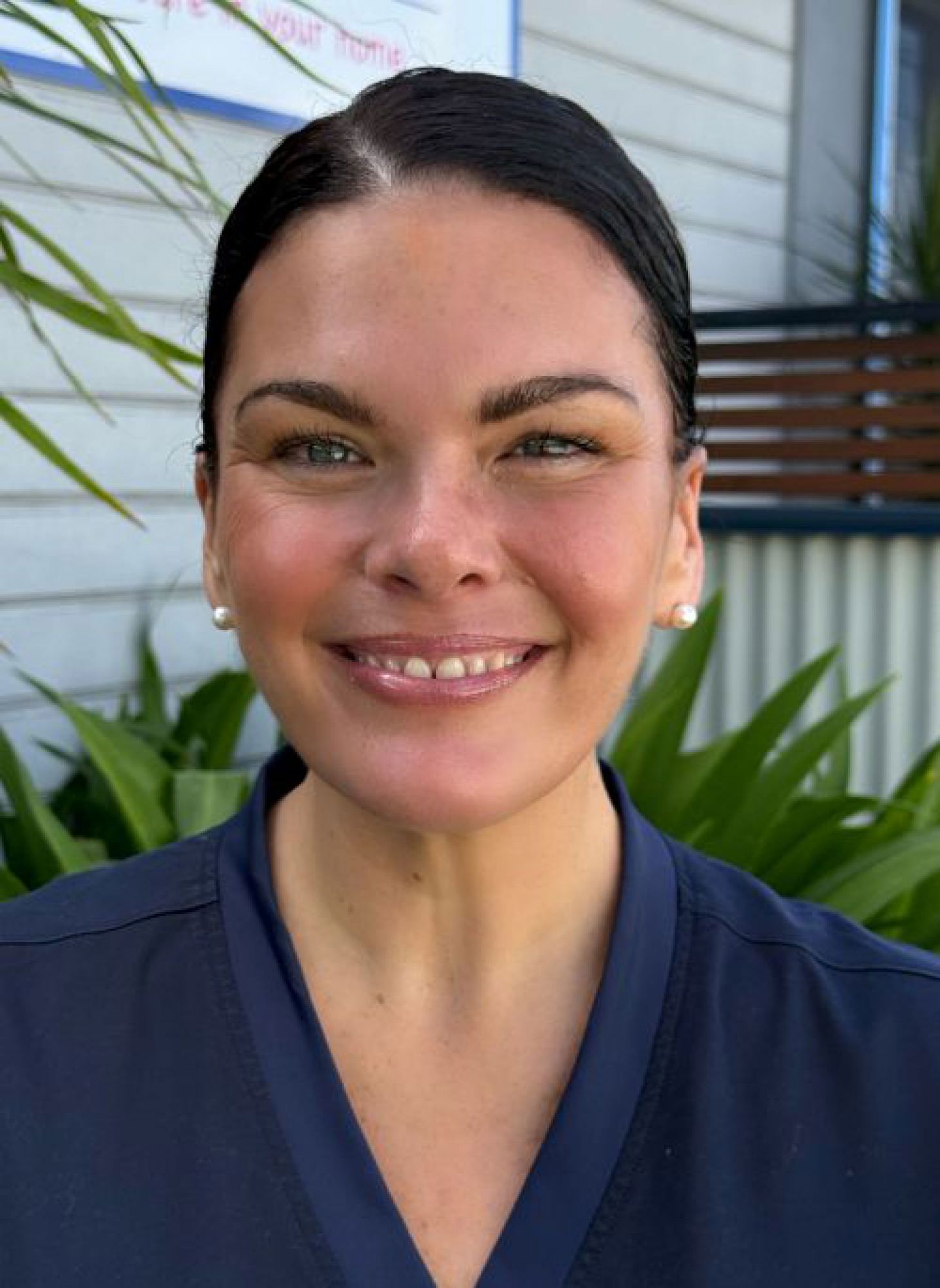
Ms Freeman – Clinical Nurse Specialist, founder of the Port Macquarie Wound Care Clinic and Chair of the Wounds Australia Clinical Expert Advisory Panel (pictured) – will explore the crucial distinction between empowering patients to take part in their healing journey and simply handing responsibility for wound care over to them. With patients increasingly managing aspects of their wound care between appointments, clear education and ongoing clinical oversight are essential. This is particularly important in regional, rural and remote communities, where patients may face longer gaps between clinical reviews. Ms Freeman will share practical frameworks clinicians can use to teach patients essential wound self-care skills, including dressing changes, recognising signs of infection and knowing when and how to escalate concerns. She will also examine common pitfalls that can leave patients feeling unsupported and potentially contribute to complications, delayed healing and preventable hospital presentations. Ms Freeman will share practical frameworks clinicians can use to teach patients essential wound self-care skills, including dressing changes, recognising signs of infection and knowing when and how to escalate concerns. She will also examine common pitfalls that can leave patients feeling unsupported and potentially contribute to complications, delayed healing and preventable hospital presentations. Ms Freeman will share practical frameworks clinicians can use to teach patients essential wound self-care skills, including dressing changes, recognising signs of infection and knowing when and how to escalate concerns. She will also examine common pitfalls that can leave patients feeling unsupported and potentially contribute to complications, delayed healing and preventable hospital presentations. Attendees will come away with practical teaching strategies and key messages they can use with patients, along with 10 must-haves for effective wound self-care. The session reinforces a simple but important principle: self-care is a partnership between patients and clinicians. Giving people the knowledge, skills and confidence to participate in their own wound care doesn't mean withdrawing care – it means sharing it effectively. Supporting the patient journeyCassandra Cerecedo, Senior Marketing Manager – Advanced Wound Care, ANZ at Smith+Nephew said empowering people to play an active role in their wound care could make a difference to their confidence and their care journey. "But it is crucial that they receive the right education and ongoing support to do this safely," Ms Cerecedo said. "Smith+Nephew is proud to support Wound Awareness Week and this important conversation about how clinicians can build patients' knowledge and confidence while ensuring they remain connected to appropriate clinical care." Smith+Nephew are offering a range of educational resources during Wound Awareness Week and beyond to support clinicians to heal more wounds. Explore their Partner Page. About Lunch BytesWound Awareness Week is the national awareness-raising initiative of Wounds Australia. Lunch Bytes are short, free, online events by clinicians for clinicians that cover a range of topics around chronic wound care. Certificates of attendance to support CPD applications are issued after the events, and recordings stay online indefinitely. Registrations for Lunch Bytes open on 31 August. Wound Awareness Week 2026 is Monday 28 September to Sunday 4 October. |